

Dropping a tiny metal screw on a standard factory floor seems harmless until you remember that human friction creates thousands of volts of static electricity every hour. In high-tech assembly environments, a walking technician becomes a moving lightning hazard for delicate microchips. Implementing a reliable system of esd floor tiles or continuous sheeting is the primary line of defence for facility safety. Selecting the incorrect material foundation regularly causes expensive production delays and compliance failures during formal safety reviews. This practical Blog unpacks the specific performance differences between interlocking squares and wide sheet rolls so you can protect your hardware investments effectively.
The Modular Approach: Benefits of Interlocking Tiles
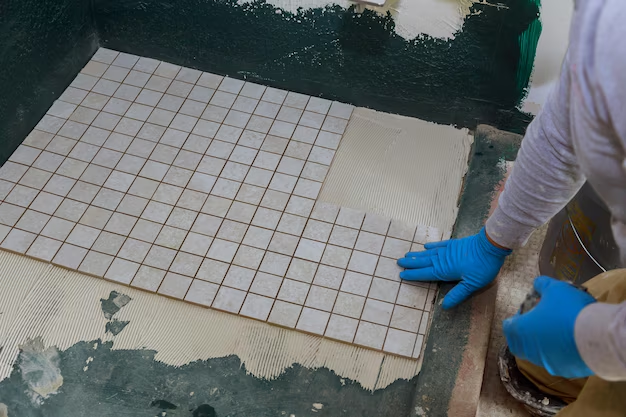
Individual heavy-duty squares provide an incredibly versatile foundation for active industrial environments. These interlocking systems are frequently manufactured using dense vinyl or rubber infused with carbon fibres to channel electricity straight into the ground. Choosing anti static flooring tiles allows your maintenance crew to install a ground system directly over imperfect concrete subfloors without using messy liquid adhesives.
The main operational advantage of a modular system is simple replacement speed. If a heavy metal machine drops and gouges a section of the room, you do not need to rip up the whole facility floor. Your team can easily pop out the single damaged square and slide a fresh one into place within ten minutes.
A minor structural detail to keep in mind is the sheer number of physical seams across the room. Every joint creates a small hairline gap where dust, small metallic filings, or moisture can collect over years of heavy service. For dry electronics workshops and packing rooms, these seams rarely present a major issue. However, facilities handling fine powders or liquid chemicals might find these tiny crevices difficult to keep perfectly clean during weekly washdowns.
The Continuous Sheet: Power of Seamless Flooring Rolls

When absolute cleanliness and moisture control are the top priorities for your workplace, large vinyl sheeting rolls offer an excellent alternative. This layout style involves unrolling long, wide sheets of protective vinyl across the workspace floor, cutting them to size and heat-welding the edges together. The final result is a single, unbroken sheet of specialized esd flooring that completely seals off the subfloor from above.
Medical laboratories, pristine cleanrooms and high-end semiconductor fabrication plants heavily favour this seamless setup. The lack of open seams prevents any microscopic dust particles from settling under the walkways. It makes the entire surface incredibly simple to sanitise using standard industrial floor scrubbers.
Installation complexity represents the biggest challenge when choosing large sheet rolls. The underlying concrete must be perfectly flat, dry and free of cracks before unrolling the vinyl. Any slight bump in the concrete will telegraph through the thin sheet, creating an uneven surface that can wear down prematurely under heavy foot traffic. The installation process requires specialised tools, conductive copper grounding tape networks and skilled professional installers to ensure the ground connection remains continuous across the whole facility footprint.
The Facility Match Guide
Navigating the choice between these two distinct grounding layouts can be simplified by evaluating the active daily environment of your production rooms.
Ideal Applications for Tile Systems
- Active assembly spaces where heavy machinery configurations change position annually.
- Warehouse zones featuring imperfect, cracked, or slightly damp concrete subfloors.
- Facilities that need to stay operational during installation without long adhesive drying times.
- Rented workshop buildings where the protective flooring needs to be removed at the end of the lease.
Ideal Applications for Roll Systems
- High-grade electronics cleanrooms requiring strict air filtration and dust controls.
- Pharmaceutical and medical device manufacturing environments that undergo daily chemical washing.
- Large, wide-open production floors with minimal pillars or complicated wall angles.
- Advanced testing labs using small wheeled carts that require ultra-smooth paths.
Long-Term Maintenance and Cost Realities

Initial procurement budgets often tell only half the story when upgrading your industrial facility. Sheet rolls generally carry a lower material cost per square metre, but the professional labour required for heat-welding and subfloor levelling often makes the upfront investment quite high. Tiles cost slightly more out of the box, but the savings on self-installation and zero operational downtime quickly balance out the initial numbers.
Testing your ground path regularly is vital regardless of the style you choose. Over time, heavy forklift traffic and standard warehouse dust can build up an insulating layer on top of the conductive material. Implementing a monthly floor testing routine using standard surface resistance meters ensures your pathways continue to channel stray electrical charges away from your workers and straight into the earth grid.
Conclusion
Selecting the correct floor architecture protects your workflow efficiency and safeguards your sensitive component inventory from hidden electrical hazards. Modular tile configurations work beautifully for adaptable factory floors and areas where quick maintenance is non-negotiable for daily business.
Continuous welded vinyl sheets provide the definitive solution for pristine laboratories that cannot afford even a single speck of dust or moisture buildup. Matching the right material structure to your specific environmental constraints ensures total safety compliance while eliminating unexpected hardware failure risks. For premium technical workstation equipment and tailored layout advice on building an effective static-safe manufacturing environment, ELCOM offers the professional tools and custom bulk solutions your enterprise needs to safeguard its technical infrastructure.
FAQs
What is the primary difference between esd floor tiles and seamless rolls?
Tiles use a modular interlocking design that lays down quickly without permanent adhesives, making spot repairs easy. Rolls are heat-welded together to form a completely unbroken, seamless surface that prevents dust accumulation in cleanroom settings.
Can we install anti-static flooring tiles directly over old warehouse concrete?
Yes, thick interlocking tiles can tolerate minor surface cracks, old paint spots, and uneven concrete subfloors. This flexibility saves significant budget and preparation time compared to thin vinyl sheets, which require a perfectly smooth base.
Do industrial esd flooring rolls require specialized maintenance to stay conductive?
Yes, you must avoid using standard retail floor waxes, as they leave behind a non-conductive glossy coating that blocks the grounding path. Clean the surface using specialized static-safe detergents that preserve the carbon fiber path to ground.
How do we connect modular protective tiles to the building ground grid?
The installation process involves laying down thin strips of conductive copper tape underneath the tiles at specific intervals. This hidden copper network collects the electricity from the tiles and connects directly to the main building ground points.