

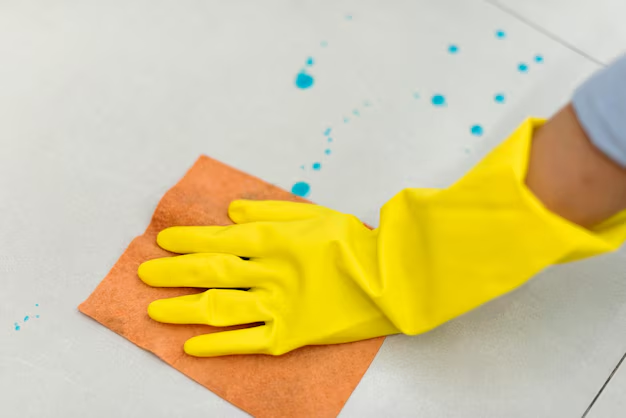
A clean workbench look can be deeply deceiving in electronics production. A workstation surface might look completely spotless to the human eye, yet a microscopic layer of standard workshop dust, skin oils, or solder flux residue can insulate the area. This insulative buildup blocks the path to ground, turning your protective anti static mat into a useless piece of ordinary rubber. When sensitive components touch a compromised surface, static electricity cannot drain away safely. Regular maintenance is not just about keeping a tidy facility; it is a critical process to prevent hidden component degradation. This practical Blog walks through the exact steps needed to maintain your workspace grounding layers to ensure total hardware safety.
The Hidden Threat: Why Common Cleaners Fail
Many maintenance teams make the mistake of using standard household glass cleaners or industrial degreasers on specialised work surfaces. Standard commercial detergents often contain silicone or heavy chemical solvents as core ingredients. Silicone leaves a microscopic, highly shiny film behind that makes the material look beautiful. However, that glossy layer forms an electrical barrier that cuts off the grounding path completely.
Using aggressive solvents can dry out the rubber or vinyl, causing micro-cracks that trap dirt and moisture. When you wipe down your esd mats, you must use specialised, non-abrasive solutions designed to preserve surface conductivity.
Industry studies on workspace static control confirm that using unapproved household detergents can reduce surface conductivity by up to forty per cent within just a few weeks of daily application. This drop in performance places your delicate integrated circuits at immediate risk during standard assembly procedures.
Step-by-Step Maintenance Routine
Keeping your static-dissipative surfaces operating within the required resistance parameters requires a structured cleaning process. The following sequence ensures thorough cleaning without degrading the underlying technical materials.
- Clear and Inspect the Surface: Daily Task.
Remove all tools, loose components, and testing instruments from the work zone. Look closely for visible solder burns, deep gouges, or sticky chemical spills that require targeted spot treatment.
- Apply Specialised ESD Cleaner: Twice Weekly.
Spray a dedicated, silicone-free static control cleaner directly onto the rubber surface. Avoid soaking the snap fasteners or grounding cord connections to prevent moisture buildup beneath the metal parts.
- Wipe with Lint-Free Microfiber: Immediate Execution.
Use a clean microfiber cloth to scrub the surface firmly in circular motions. This specific fabric structure lifts fine dust particles and oily skin residues out of the textured rubber finish without leaving loose fibres behind.
- Verify Grounding System Integrity: Monthly Compliance. Inspect the physical snap connections, grounding cords, and megohmmeter attachments. Ensure every metal connection remains tight, clean, and completely free of oxidation or surface rust.
Best Practices for Longevity
Establishing a reliable maintenance schedule involves understanding what materials should stay far away from your specialised assembly benches.
Materials to Keep Off Your Workstations

- Traditional household dish soaps and commercial window sprays containing heavy silicones.
- Abrasive scrubbing pads or stiff wire brushes that scratch the smooth top layer.
- Isopropyl alcohol in high concentrations, which can dry out vinyl configurations over time.
- Standard paper towels that leave behind fine insulative cellulose fibres on textures.
Verification: Testing Surface Resistance
A proper compliance plan requires regular electrical verification alongside physical cleaning. Over months of heavy use, scraping tools and hot soldering iron tips can permanently degrade local areas of your esd bench matting. Investing in a dedicated surface resistance meter kit is the only definitive way to prove your workspace is safe.
Testing involves placing two five-pound weights on the surface and running a one-hundred-volt test charge between them. The resistance reading must fall strictly within the standard industry range of one million to one billion ohms. If a fully cleaned area shows resistance numbers higher than that threshold, the material has likely reached the end of its operational lifespan and needs immediate replacement.
Conclusion
Maintaining a reliable grounding architecture protects your daily production yield and keeps your electronic inventory safe from costly internal damage. Low-cost cleaning alternatives might seem appealing for small facility budgets, but the hidden cost of component failures always outweighs the price of proper static control maintenance supplies. Establishing a strict cleaning protocol using approved materials ensures total compliance with international manufacturing guidelines.
Protecting your hardware starts with maintaining the very surfaces your technology rests upon during production. For premium workspace infrastructure items and tailored advice on engineering an efficient static-safe manufacturing layout, ELCOM delivers the specialised tools and commercial support your business requires to secure its manufacturing lines over the long haul.
FAQs
What happens if I clean an anti-static mat with standard household window cleaner?
Standard retail cleaners usually contain silicone or ammoniated chemicals that leave behind a non-conductive residue layer. This thin buildup acts as an electrical insulator, preventing static charges from reaching the ground line and leaving your components vulnerable to damage.
How often should production facilities clean their esd mats?
High-volume assembly lines should receive a quick wipe-down with specialized cleaner at the end of every shift to remove skin oils and dust. A deep, comprehensive cleaning and grounding hardware inspection should be scheduled at least once or twice per week.
Can I use isopropyl alcohol to remove tough solder flux stains from the surface?
You can use alcohol sparingly for stubborn spot treatment on rubber surfaces, but avoid using it as a general daily cleaner. Frequent use on vinyl variants strips the plasticizers out of the material, making the sheet brittle and prone to curling edges.
Why do some areas of our esd bench matting show incorrect resistance readings after cleaning?
Incorrect readings usually indicate deep physical wear from heavy tool usage or localized heat degradation caused by soldering iron exposure. If the carbon micro-paths inside the material are broken, the mat loses its draining ability and requires partial replacement.