
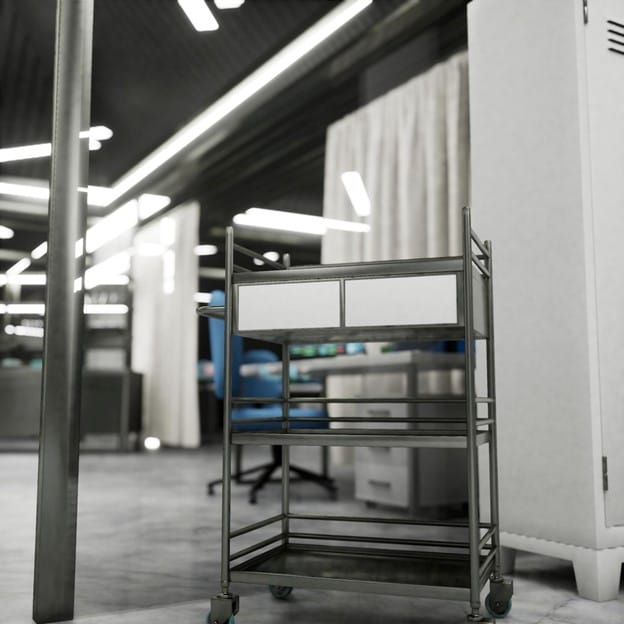
Designing an ESD-Safe Packing Bench and Workbench Area
Controlling electrostatic discharge is one of the fundamental needs in electronics handling and packaging facilities. An effective packing bench area is designed to prevent any damage to sensitive parts due to statical forces and enhance working processes and compliance. At the site where the products are assembled, packed or inspected, the bench layout and the grounding method have a direct impact on reliability. This blog discusses the design of an ESD-safe workbench area in terms of layout, material and maintenance procedures that meet the professional ESD guidelines and practical operational requirements.
Understanding ESD Risks at Packing and Workbench Areas

The risky areas in the production process are the packing and the workbench. Particularly, components are often touched, transported and passed between packaging and storage. Unless the statical control is put in place, the charge may accumulate during the movement, materials or touching ungrounded surfaces. A good design begins with the determination of where the source of the static may be and how it can be released into the products. Benches, tools, operators and packaging should all operate in a grounded system. Consistency and minimized risk are enhanced by treating the area as a controlled area and not isolated stations.
Selecting the Right ESD Bench Structure
An esd bench provides a grounded surface that safely dissipates static electricity during handling and packing tasks. The bench frame, worktop, and accessories must be electrically compatible and connected to a common ground.
Key design considerations include:
- Surface resistance values that meet ESD standards
- Frame materials that support reliable grounding
- Load capacity based on equipment and packaging tasks
Benches used for packing often need larger surface areas than assembly benches. This allows products, packaging materials and tools to be kept within a controlled space.
Layout Planning for Efficient and Safe Workflows
Bench layout affects both safety and productivity. Poor placement can increase movement, create congestion or introduce ungrounded contact points. A clear layout helps operators follow ESD procedures without slowing down work.
Effective layout planning usually considers:
- Logical product flow from assembly to packing
- Clear separation between ESD and non-ESD areas
- Access to grounding points without obstruction
Workstations should allow operators to remain grounded while reaching all necessary tools and materials. This reduces accidental contact with non-protected surfaces.
Choosing Electronic Workbenches for Mixed Tasks

Modern facilities often require benches that support both assembly and packing. Electronic workbenches are designed for this flexibility, offering modular accessories and configurable layouts.
The benches are usually used to hold lighting, shelving, power distribution and grounding accessories. When chosen appropriately, they contribute to keeping ESD in demand and adjusting to the varying production requirements. Accessories compatibility becomes vital, whereby the components do not have a compatible relation with each other and thus disrupt grounding continuity.
Grounding, Testing and Ongoing Maintenance
Even the best-designed bench will fail without proper grounding and testing. Ground points should be clearly marked and easily accessible. Operators should be trained to connect wrist straps and equipment correctly.
Regular testing verifies that benches and grounding systems remain within acceptable resistance limits. Cleaning routines also matter, as certain chemicals can affect surface performance. Documented maintenance supports audits and helps identify issues early.
Conclusion
Designing an ESD-safe packing and workbench area requires careful attention to layout, materials and grounding practices. From bench selection to daily maintenance, each element contributes to protecting sensitive electronics and maintaining process reliability. Businesses that invest in proper design reduce product failures and improve compliance. For professional-grade ESD bench solutions and expert support, ELCOM offers systems built for demanding environments.
FAQs
1. Why is an ESD-safe packing bench important?
It helps prevent static discharge during handling and packaging of sensitive electronic components.
2. What makes an ESD bench different from a standard bench?
It is designed with controlled resistance and grounding to safely dissipate static electricity.
3. Can electronic workbenches be used for both assembly and packing?
Yes, many are modular and suitable for mixed tasks when properly grounded.
4. How often should ESD benches be tested?
Most facilities test benches and grounding points every six to twelve months.