
Benefits of Installing ESD Floor Tiles in Electronics Facilities
A small static shock might feel harmless to a person. Electronics do not see it that way. One tiny discharge can ruin a microchip in a split second. Many electronics factories deal with this risk every single day, often without noticing it until products fail testing.
This is exactly why esd floor tiles have become a standard feature in modern electronics facilities. Static control is no longer optional. Production lines, testing labs, and repair centers all depend on stable environments where static electricity stays under control.
This blog explains why ESD flooring matters, how it protects equipment, and what practical benefits electronics facilities gain after installing it.
Static Electricity and the Hidden Risk to Electronics
Electrostatic discharge, usually called ESD, happens when built-up electricity suddenly moves between objects. A person walking across a floor can build thousands of volts without even realizing it. Sensitive electronic components cannot tolerate that.
Microprocessors, circuit boards, and semiconductors are especially vulnerable. Damage can occur instantly, or worse, slowly weaken a component until it fails later in the product’s life cycle.
Facilities that work with electronics need environments designed to prevent static buildup. One of the most effective ways to control it is proper esd flooring.
What Makes ESD Floor Tiles Different

Standard flooring simply sits there. It does nothing to control electricity. Anti-static floor tiles are different. They contain conductive materials that allow static charges to move safely into the ground. Instead of building up on surfaces or people, the electricity slowly dissipates through the flooring system. The result is a much safer environment for delicate electronics.
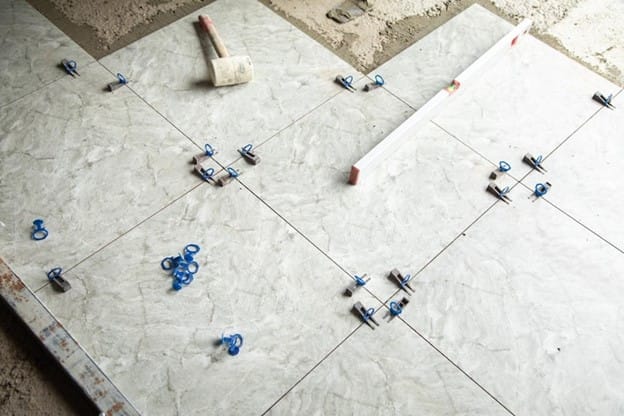
These tiles are usually installed with grounding systems and conductive adhesives. Once installed correctly, they become part of a complete static control setup.
Core Benefits of ESD Floor Tiles
Electronics manufacturers install ESD floors for several reasons. The advantages go beyond just static protection.
- Protects sensitive electronic components from static damage
- Reduces product failure rates during production
- Creates a safer workspace for technicians and engineers
- Supports compliance with ESD safety standards
Factories that upgrade their floors often notice fewer rejected components and fewer unexplained product failures.
That alone can save significant money.
Improved Production Stability
Manufacturing electronics requires precision. Even small disruptions can slow production. Static electricity often causes problems that are hard to track. A component might pass assembly but fail testing later. Engineers spend hours trying to find the cause.
Installing anti-static floor tiles helps stabilize the entire workspace.
Many production managers report improvements such as:
- Lower defect rates during quality control
- Fewer damaged circuit boards
- More consistent testing results
- Reduced equipment downtime
A well-designed ESD environment keeps production flowing smoothly.
Helps Meet Industry Compliance Standards
Electronics facilities often follow strict ESD protection standards. Guidelines like ANSI ESD S20.20 require controlled work environments where static electricity is carefully managed. Flooring plays an important role in meeting those requirements.
Proper esd flooring helps facilities maintain ESD-protected areas, often called EPAs. Auditors look for grounded surfaces, proper materials, and static control systems. Without conductive flooring, maintaining full compliance becomes much harder.
Built for High Traffic Work Environments
Electronics production floors are busy places. Workers move constantly. Equipment rolls across the floor all day.
ESD floor tiles are designed for that type of environment. They handle heavy traffic while continuing to dissipate static electricity.
Maintenance stays simple. Routine cleaning and occasional grounding checks usually keep the flooring working properly for years. Many facilities install ESD tiles once and rely on them for a long time.
Conclusion
Although the influences of static electricity may be unseen, it can be costly in electronics facilities. Bad parts, faulty tests, and concealed flaws are all due to ineffective static control.
Laying esd floor tiles, anti static floor tiles, or a complete esd flooring system is used to ensure that delicate electronics are not harmed, to level out production areas. It increases the reliability of products, contributes to the maintenance of the safety standards, and minimizes the unnecessary damage of expensive equipment.
Companies such as ELCOM provide reliable solutions to the problem of static control that allow electronics facilities to have safer and more efficient workspaces.
FAQs
1. What are ESD floor tiles used for?
ESD floor tiles are designed to control static electricity in electronics facilities. They safely dissipate electrical charges and help prevent electrostatic discharge that can damage sensitive components.
2. Are anti static floor tiles necessary for electronics labs?
Anti static floor tiles help protect delicate electronics such as circuit boards and microchips from static discharge, which can cause hidden or immediate damage.
3. How long does ESD flooring typically last?
High quality ESD flooring can last between 10 and 20 years depending on installation quality, traffic levels, and maintenance practices.
4. Can ESD floor tiles improve product quality in manufacturing?
By reducing static discharge risks, ESD floor tiles help prevent component damage and lower product failure rates during electronics manufacturing.
