
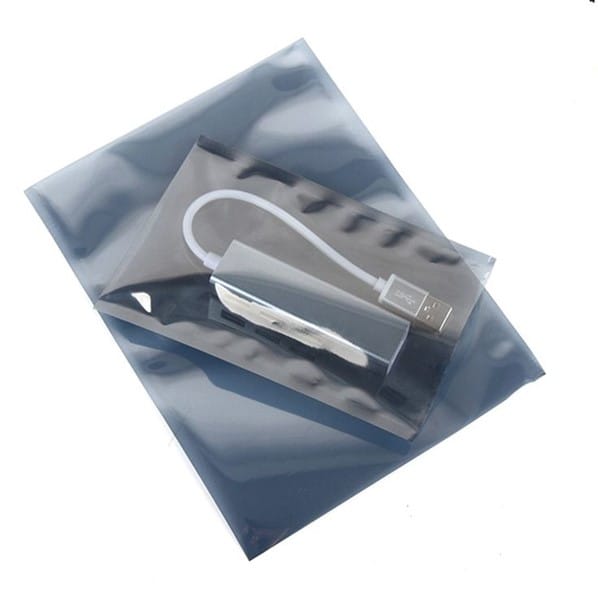
Are You Using ESD Bags Correctly? 7 Mistakes to Avoid
One electrostatic discharge (ESD) can transform an operable component into a pricey paperweight in the high-stakes arena of electronics manufacture. ESD bags fit in there. These well-built covers are meant to shield sensitive devices from static accumulation, silently endangering your bottom line. Still, even with the correct instruments, problems could arise. Misusing an ESD bag is like shutting your door but leaving the window wide open—and yes, static will get in. Using these bags successfully starts with knowledge of their operation. Spoiler alert: It’s more than just shutting the flap and throwing parts in.
Mistake 1: Choosing the Wrong Type of ESD Bag
Not all ESD packaging is created equal. Whether it’s pink poly, black conductive, or the classic metallised shielding bag, each serves a distinct purpose. The pink ones are antistatic but don’t block static fields; shielding bags do both. Using a pink poly bag for field-sensitive devices is like wearing flip-flops to a welding job. Know what your components need and match the bag accordingly. The wrong choice doesn’t just reduce protection—it can invite disaster. Thoughtful ESD packaging selection starts with understanding the nature of the static threat and what level of defence your parts actually need.
Mistake 2: Reusing ESD Bags Past Their Prime
Yes, reusing sounds eco-conscious, but ESD bags aren’t built to last forever. Repeated folding, creasing, and opening can compromise their integrity. Think of them like your favourite hoodie—comfortable but eventually full of holes. Over time, the dissipative coating wears off and can no longer safely deflect static charges. So, if that bag’s been hanging around longer than your last software update, it might be time to toss it. Regular inspection and rotation of bags in storage can prevent costly mishaps before they reach your production line.
Mistake 3: Storing ESD Bags Improperly

It sounds simple, but storing ESD bags in areas prone to moisture, extreme temperatures, or direct sunlight can weaken their effectiveness. Leaving a shield bag on a sunny windowsill is basically static sabotage. Always store them in clean, dry, climate-controlled environments. Keep them flat and out of reach of sharp edges. Treat them like active defence systems rather than disposable wrappers. A protective bag is only as effective as the care it receives between uses, so make storage part of your overall proper ESD handling protocol.
Mistake 4: Assuming the Bag Alone Is Enough
Here’s a hard truth: Common ESD errors often happen when people trust the bag too much. Think of an ESD bag like a seatbelt—it’s important, but it can’t save you if you’re reckless everywhere else. If your workspace isn’t grounded, or if workers aren’t wearing wrist straps, static can jump the bag or even generate inside it. ESD safety is a system, not a single fix. Bags play a key role, but they must be supported by proper flooring, grounded workstations, and regular employee training. Otherwise, you’re building a dam in a flood zone.
Mistake 5: Touching the Inside of the Bag
Hands off the interior! Touching the inside lining can leave residues or oils that compromise its protective properties. Even if your hands are clean, they still carry enough micro-debris to alter the conductive film. Always handle bags by the edges and open them in static-safe zones. It’s not paranoia—it’s precision. Every fingerprint inside the bag is a potential spark waiting to happen. In the world of high-sensitivity components, even minor contamination matters.
Mistake 6: Not Labelling Bags Clearly
An unlabelled bag is a ticking time bomb for inventory mistakes. Components without identification can be confused, misplaced, or exposed to unnecessary handling. And if something goes wrong, tracking the error becomes a nightmare. Label bags with date, contents, handling instructions, and any additional warnings. Clear labelling is a cornerstone of quality assurance and risk reduction, especially in environments managing thousands of parts across complex supply chains.
Mistake 7: Throwing Away Used Bags Carelessly
Just because an ESD bag is empty doesn’t mean it’s harmless. Tossing used bags into standard bins can create unexpected static zones around your workspace. Worse, if bags are reused unintentionally without inspection, they can pose significant risks. Have a dedicated collection area for worn-out or expired ESD materials and dispose of them responsibly. Managing the full lifecycle of ESD packaging is a proactive measure that protects everything downstream, from your team to your tech.
Conclusion
Proper use of ESD bags is both an art and a science. It demands attention, consistency, and a bit of scepticism about assumptions. The smallest mistake can result in thousands of dollars in damage or delays. Organisations looking to upgrade their static control protocols or source quality packaging solutions can rely on ELCOM LTD for trusted expertise and precision products. Getting the packaging right isn’t just an operational detail—it’s a competitive advantage. Make every step count, right down to the last seal.