
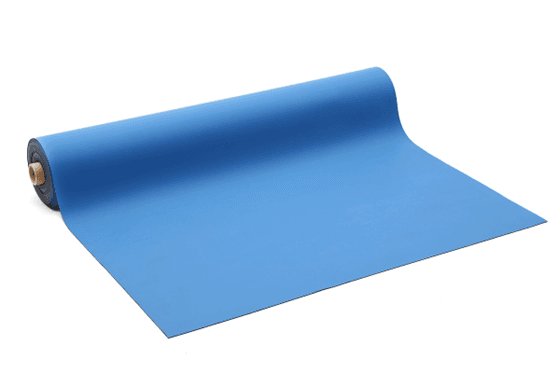
Anti Static Mats vs ESD Mats: Key Differences and Where to Use Them
One failed circuit board can quietly turn into a very expensive problem. A factory may lose hours checking machines, testing components, or even replacing perfectly good parts before finding the real cause. In many cases, the issue starts with static electricity. Tiny. Invisible. Easy to ignore. That is exactly why proper esd mats matter more than most people think.
People often use the terms anti-static mat and ESD mat as if they mean the same thing. They do not. Both help control static, but the level of protection is completely different once sensitive electronics enter the picture. A lot of businesses figure this out only after product failures begin showing up.
What Is an Anti Static Mat?
An anti static mat is mainly designed to reduce the buildup of static electricity on a surface. It slows down charge generation caused by movement, friction, rolling chairs, plastic packaging, or even clothing rubbing against workstations.
These mats are commonly used in lower-risk environments where basic static control is enough to prevent minor shocks or dust attraction. Offices, packing stations, computer desks, and storage areas use them quite often.
Most anti-static mats are made from rubber or vinyl materials. Their job is prevention, not controlled discharge.
Typical places where they work well include:
- Office desks
- Shipping counters
- Packaging stations
A small repair counter handling keyboards or desktop accessories usually does not need industrial-level ESD protection. An anti-static surface is often enough there.
What Makes ESD Mats Different?

ESD mats are built for a much more serious role. Instead of only reducing static buildup, they safely channel electrostatic discharge away from sensitive electronics through grounding systems. That controlled discharge protects delicate components before damage happens. That part matters a lot in electronics manufacturing.
According to the EOS/ESD Association, some modern electronic components can be damaged by less than 100 volts of static electricity. Humans normally cannot even feel static until it reaches a few thousand volts. Strange gap, honestly. Damage can happen long before anyone notices a problem.
A proper ESD workstation usually includes:
- Ground cords
- Wrist straps
- Conductive surfaces
Without grounding, even high-quality ESD surfaces lose much of their protection value.
Factories handling semiconductors, telecom hardware, or PCB assembly often install esd bench matting directly onto workstations because those surfaces deal with constant electronic contact throughout the day.
The Real Difference Between the Two
The biggest difference comes down to electrical handling. An anti static mat helps reduce charge generation. An ESD mat actively controls and dissipates electrical discharge through grounding. One lowers static buildup. The other safely removes it.
That difference changes everything in sensitive production environments.
Material construction also varies. Many ESD mats use layered conductive materials that guide electricity away slowly and safely. Standard anti-static mats are usually simpler and cheaper because they do not need that advanced structure.
Price often becomes the reason businesses choose incorrectly. A cheaper mat may look fine on the surface but fail badly around delicate electronics.
Where Should You Use an Anti Static Mat?
An anti static mat fits best in low-risk workspaces where small static control improvements are enough.
Packing departments use them to reduce static cling around plastic materials. Offices use them under desks or computer stations. Warehouses sometimes install them near lightweight electronic storage areas.
Small businesses prefer them because they are practical, affordable, and easy to maintain.
No complicated setup. No grounding wires running across workstations. Just straightforward static reduction.
Where Should You Use ESD Mats?
Electronics manufacturing is a completely different story. Repair labs, assembly stations, semiconductor facilities, and testing environments usually need grounded esd mats because the risk level is much higher. One unnoticed discharge can damage expensive components instantly.
Many facilities now rely heavily on esd bench matting for assembly tables where workers handle sensitive parts for hours every day.
A grounded ESD setup commonly protects:
- Circuit boards
- Semiconductor chips
- Testing equipment
One UK electronics manufacturer reportedly reduced rejected component rates after upgrading ordinary workstations to grounded ESD bench systems during production testing. Small static-control improvements often create surprisingly large quality gains over time.
Choosing the Right Option
Not every workspace needs industrial ESD protection. That part gets overlooked a lot. A packaging counter probably does not need a fully grounded workstation. A semiconductor production line definitely does.
A few practical questions usually make the decision easier. Does the workspace handle sensitive electronics daily? Could static damage lead to product failure? Is grounding already part of the setup? If the answer keeps landing on yes, ESD protection is usually the safer investment.
Conclusion
An anti-static mat and an ESD mat may look similar at first glance, but they serve very different purposes once real work begins. One reduces static buildup. The other safely removes electrical discharge before sensitive electronics get damaged.
Basic office spaces or shipping counters often work perfectly fine with anti-static protection alone. Electronics manufacturing, testing labs, and repair environments usually require grounded esd mats and dependable esd bench matting systems for proper protection.
The right setup reduces failures, protects expensive equipment, and improves long-term reliability across production environments. ELCOM continues to support industries with trusted static-control solutions designed for demanding electronic workspaces.
FAQs
What is the difference between an anti static mat and ESD mat?
An anti static mat reduces static buildup, while an ESD mat safely dissipates electrical charges through grounding systems.
Where are esd mats commonly used?
ESD mats are widely used in electronics manufacturing, repair labs, semiconductor facilities, and testing stations.
Does esd bench matting require grounding?
Yes. Proper grounding is necessary for esd bench matting to safely control electrostatic discharge.
Can an anti static mat protect sensitive electronics?
An anti static mat offers basic static reduction, but highly sensitive electronics usually require grounded ESD protection for safer handling.
