
What Is ESD Protection and Why It Matters in Electronics Manufacturing
A production manager at electronics plants once noticed something odd. Devices were passing inspection during the day but failing late at night. Machines were checked. Staff were retrained. Materials were replaced. Nothing changed.
The problem turned out to be static electricity from regular flooring near the assembly area. That is exactly why esd flooring and proper static-control systems matter so much in electronics manufacturing today. One small electrostatic discharge can quietly damage sensitive electronic parts before anyone notices it happened. Modern factories cannot afford that risk anymore.
This blog explains what ESD protection really means, why it matters and how manufacturers use practical solutions to reduce static-related failures every day.
What Is ESD Protection?

ESD stands for Electrostatic Discharge. It happens when built-up electrical energy moves from one surface to another. Something as simple as walking across a floor or picking up a plastic package can create static electricity.
Humans usually do not even feel it. Circuit boards, semiconductors, connectors and microchips can become damaged from a very small discharge. Sometimes the component stops working immediately. Other times the damage stays hidden until the product reaches the customer weeks later.
ESD protection is the system that manufacturers use to control static electricity inside production areas.
Most facilities rely on:
- ESD flooring to safely direct electrical charges into the ground
- ESD clothing that reduces static buildup around workers
- anti static products like grounding mats and shielding bags
ESD safety processes are strictly adhered to by medical electronics, automotive systems and telecom equipment manufacturers as the safety of their products can be determined by their reliability.
Why Static Electricity Causes Expensive Problems
Static damage is frustrating because it often stays invisible. A component may continue working after the discharge happens, but the internal structure becomes weaker. Later, the product fails during use. That creates warranty claims, customer complaints, delayed shipments and sometimes product recalls.
The electronics industry loses billions every year because of electrostatic discharge. Not from giant accidents. Mostly from small mistakes repeated over time.
One technician working in PCB assembly explained how quality tests kept failing randomly during busy production weeks. Engineers checked the soldering quality and machine calibration first. Nothing looked wrong.
Eventually, they discovered workers were carrying static into the workstation from worn flooring near the entrance.
Replacing the floor solved the issue within days. That happens more often than people think.
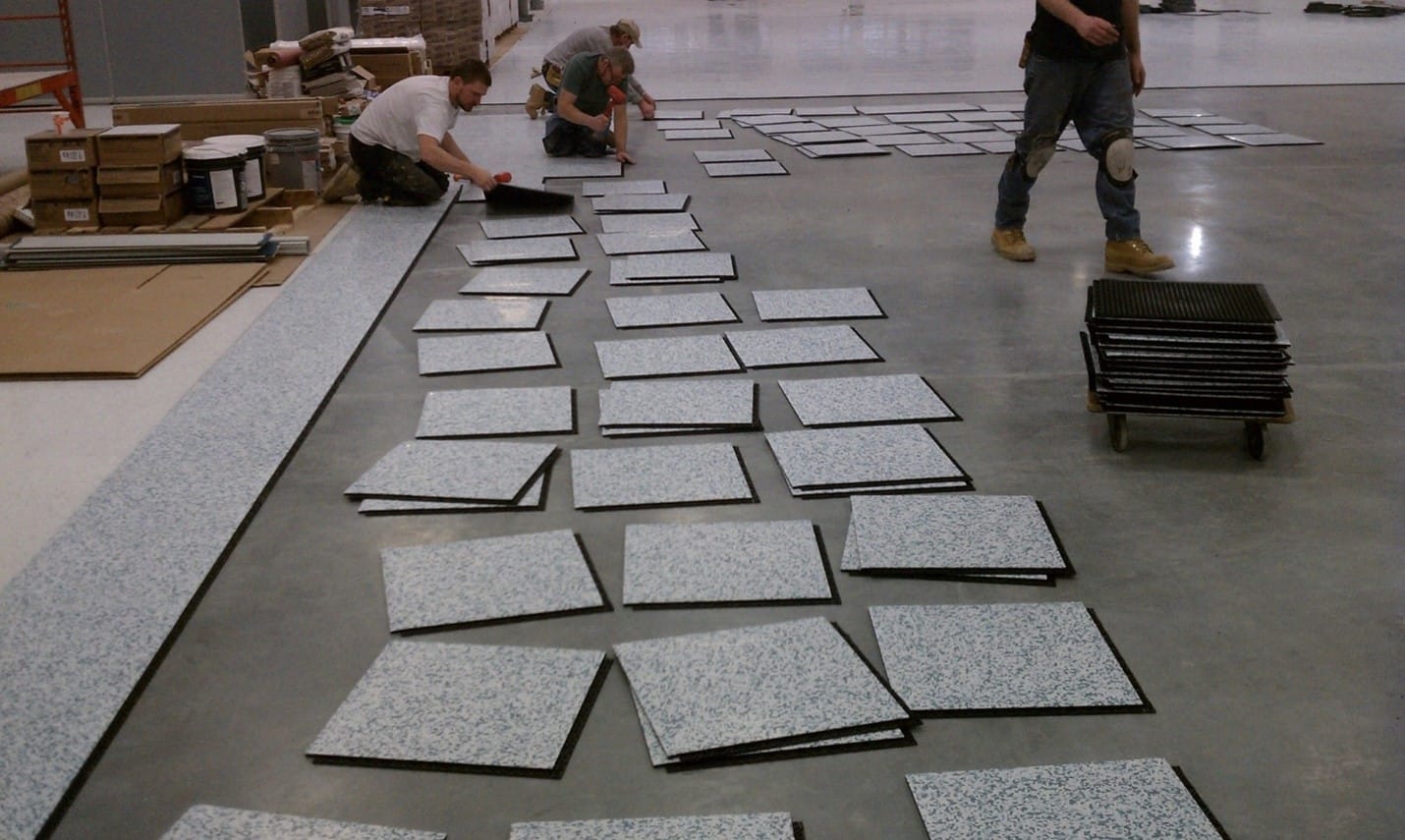
How ESD Flooring Protects Electronics
Many factories focus heavily on wrist straps and grounding cords. Those matter, yes. But flooring plays a bigger role than expected.
ESD flooring is used to reduce the accumulation of static due to the presence of people, rolling carts, or moving equipment during production. Rather than letting the electrical charges build up, a conductive floor safely transfers the charge to a grounded system.
That becomes extremely important in semiconductor manufacturing and electronics assembly lines, where exposed components stay vulnerable during production.
Good anti-static flooring also improves:
- Workplace safety
- Cleanroom performance
- Long-term compliance with ESD standards
Modern electronics are far more sensitive than older hardware. A discharge too small for humans to notice can still destroy advanced semiconductor components instantly.
Durability matters too. Production environments deal with heavy movement every day. Conductive flooring is designed to maintain performance under constant industrial use.
Why ESD Clothing Is Used in Electronics Facilities

Clothing creates friction constantly. All that walking across a room, lifting boxes and sitting in a chair produces a lot of static electricity. This is why most electronics manufacturers have employees who are required to wear esd clothing within manufacturing premises. Anti-static clothing involves the use of conductive systems that minimize the accumulation of electric charges on employees and equipment in the vicinity. This reduces the chances of accidental release during handling or assembling.
The use of protective equipment like anti-static coats, conductive gloves and ESD-resistant footwear is common. Depending on the sensitivity of the products to be manufactured, cleanroom environments usually demand extra protective equipment. It is actually quite important whether one is comfortable. This equipment is used by workers who have long shifts. Poor compliance is normally achieved with heavy or uncomfortable garments. Lightweight materials tend to work better in real production environments.
Anti-static Products Work Together as a System
Strong ESD control does not depend on one product alone. It works best when multiple systems support each other.
Factories commonly use:
- Conductive mats for workstations
- Shielding bags for component storage
- Ionizers to neutralize airborne static charges
The solutions address various aspects of the problem. The combination provides a controlled environment where delicate electronics are kept secure during production and packaging.
Aerospace, healthcare and automotive electronics factories tend to use more stringent ESD protocols since the risk of failure is considerably greater in such sectors.
Conclusion
Until product failures start to appear, the presence of static electricity seems harmless. Within electronics production, a minor leakage may spoil costly parts, undermine the stability of products, and cause quality problems that are costly to resolve in the future. Manufacturers use dependable ESD flooring, well-engineered ESD clothing, and reliable anti-static products to minimize those risks and enhance the consistency of the production process and the safety of the workplace. Electronic companies that need reliable static control continue to choose ELCOM as a supplier of professional ESD protection systems designed for current electronics manufacturing.
FAQs
What is ESD flooring used for?
ESD flooring controls static electricity inside electronics manufacturing areas by safely directing electrical charges into the ground.
Why is ESD clothing important?
ESD clothing helps reduce static buildup caused by worker movement and fabric friction during electronics assembly.
What are anti static products?
Anti static products are tools designed to reduce or control static electricity. Common examples include conductive mats, shielding bags, ionizers, and grounding systems.
Which industries require ESD protection?
Industries such as semiconductor manufacturing, aerospace, telecommunications, healthcare electronics, and automotive production commonly require ESD protection systems.
