
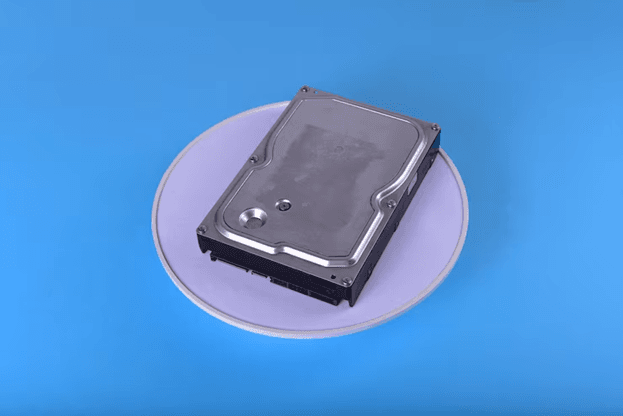
Static Bags for Hard Drives: Tips for Maximum Protection
Hard drives fail for many reasons, but one silent culprit often goes unnoticed. Static electricity. A tiny discharge you can’t even feel can damage sensitive components instantly. That’s exactly where static bags for hard drives step in. This blog breaks down how these bags work, why they matter, and how to use them the right way without overcomplicating things.
Why Static Protection Matters for Hard Drives

SSDs and modern hard drives are stuffed with fragile circuitry. Data can be corrupted, or the lifespan can be shortened by a minor electrostatic discharge.
ANSI/ESD S20.20 industry standards emphasize the importance of low-voltage static on the performance of electronics. Misplaced storage has been identified as one of the leading causes of preventable drive failures reported by many repair labs. That’s not a small problem when data recovery costs can run high. Anti-static bags act like a shield. They prevent static buildup and safely dissipate any charge around the device.
What Are Static Bags and How Do They Work?
Anti-static bags or ESD bags are custom-designed bags that are used to store electronic parts to protect against electrostatic discharge.
They typically use layered materials:
- Inner layer prevents static generation
- Outer layer shields against external charges
- The conductive layer disperses electricity safely
Simple structure does much of the heavy lifting. In its absence, a hard drive, placed on a desk or in a plastic bag, is at risk.
Choosing the Right Static Bags for Hard Drives
Bags are not made equal. The wrong choice of type may nullify the intention in its entirety.
Key things to look for:
- Metalized shielding bags for maximum protection
- Proper size to avoid tight pressure on connectors
- Sealable design to block dust and moisture
- Compliance with ESD safety standards
Pink poly bags are common, but they only reduce static buildup. They do not block external static. For hard drives, shielding bags are the safer choice.
Best Practices for Using Anti-Static Bags
Using anti-static bags properly matters just as much as choosing them.
Follow these simple tips:
- Always place the drive inside the bag before handling or transporting
- Avoid touching connectors directly, even briefly
- Keep bags sealed when not in use
- Store in a dry, controlled environment
- Label stored drives to avoid unnecessary handling
A small habit shift can prevent expensive damage. Many technicians learn this the hard way after losing data during simple transfers.
Storage and Transport Tips That Actually Work
Hard drives are not just sensitive to static. Physical shock and temperature changes also play a role. Short-term storage is usually safe with ESD bags alone. Long-term storage needs extra care.
Enclose the drive in a bag in foam or padded material. Do not keep it in high-humidity places. Do not place drives one aslant on the other.
Shipping requires even more attention. Protective outer packaging must always go together with anti-static bags. Failure to do this step raises the risk of failure in transit.
Common Mistakes to Avoid
Even experienced users slip up here. Using regular plastic bags instead of proper ESD bags is one of the biggest mistakes. Another common issue is reusing damaged or torn bags.
Opening the bag frequently also increases exposure to static. Each unnecessary interaction adds risk.
Conclusion
Static damage is quiet but costly. A single discharge can wipe out valuable data or shorten a hard drive’s life without warning.
Good-quality static bags for hard drives, combined with proper handling habits, make a real difference. The protection is simple, affordable, and effective when done right.
For businesses and technicians who deal with electronics daily, consistent use of anti-static bags is not optional. It is basic protection. Reliable solutions from ELCOM help create safer storage and transport setups without guesswork.
FAQs
1. What are static bags for hard drives used for?
Static bags for hard drives protect sensitive components from electrostatic discharge during storage, handling, and transport.
2. Are anti-static bags enough for shipping hard drives?
Anti-static bags reduce static risk, but safe shipping also requires cushioning and sturdy outer packaging.
3. What is the difference between anti-static bags and ESD bags?
Anti-static bags prevent static buildup, while ESD bags offer full shielding from external electrostatic discharge.
4. Can static bags be reused safely?
Yes, but only if the bags are undamaged, clean, and still properly sealable. Torn or worn bags should be replaced.

Leave a Reply